As the days grow shorter and the evenings cooler, fall is the perfect time to settle in with a good book — especially one that deepens your connection to the natural world. Whether you’re looking for inspiration, practical guidance or just the joy of a beautifully written story, here are my nature, ecology and gardening book recommendations will have something for you.
When I set down my trowel, I love picking up a book that reminds me why I garden. You’ll find a mix of pleasure reading and practical resources in this fall reading list — books that inform, inspire and empower. Some are rooted in science and ecology, others in storytelling and reflection, but all share a common thread: they help us become more thoughtful gardeners and better stewards of the earth.
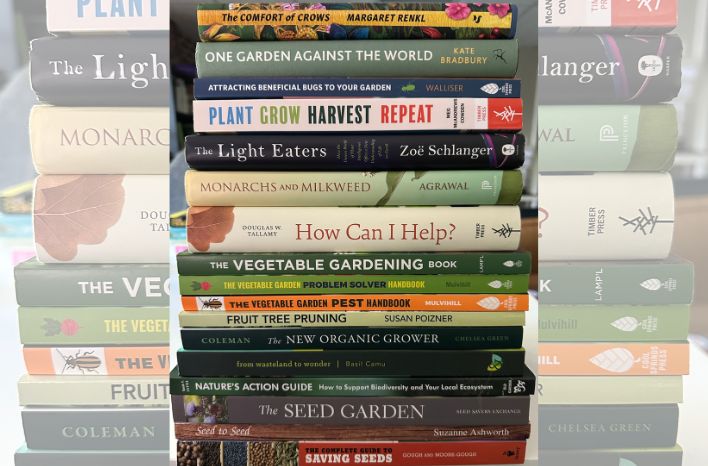
My nature, ecology and gardening book recommendations.
I have broken the list down into a handful of categories: Pleasure Reading, Foundational and Ecologically Focused, Books That Will Wow You, and Gardening Resources. I have also tacked onto this list some of the books that I will be reading next.
Pleasure Reading
‘The Comfort of Crows’ by Margaret Renkl
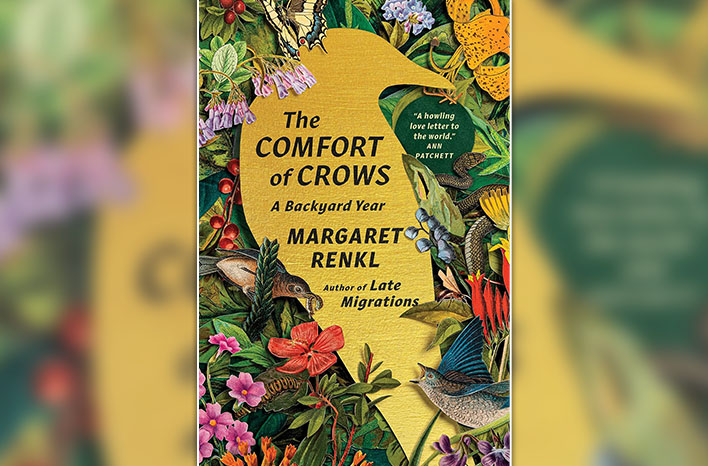
Margaret is a regular op-ed contributor to The New York Times, penning her thoughts and observations on “flora, fauna, politics and culture in the American South.” She was born in Alabama and now resides in Nashville, Tennessee. She is a great writer and an incredible human being.
I did a podcast episode with Margaret about this book.
“The Comfort of Crows” is like a weekly journal that Margaret did all through the year. I love it because we can see ourselves in her shoes. She cares about nature, she’s observant. She’s really got a keen eye for focusing on the little things that we often miss because we’re not paying quite that close attention. But she finds a way every week in her small urban setting, her yard and her home, to find these incredible things and then write about them. And it’s just such a joy to turn the pages on these short essays. You can read as many as you want at one sitting or one at a time. In my case, this is a book that sits on my nightstand, and it’s the last thing I read before I go to bed. It’s a great way to end the day.
Not everything she writes about is happy, there are observations about some things we wish didn’t happen, but they’re real. Overall, it just gives you a good sense that there are people that care like we do, and Margaret is a great ambassador for writing about those and the way that we can relate to and feel.
She notices the smallest things most of us might miss, like fledgling birds learning to fly, wildflowers pushing through the soil, the rhythms of the season. She tends to write poetically but stays grounded. Margaret is basically writing about nature in a way that feels both intimate and universal. And you feel like you’re reading a book that your friend wrote. I love books like this where I can see myself in the author’s shoes.
And what really makes this book special and why I think it’s so relevant is that she weaves together the personal and the ecological. And it’s showing just how deeply connected our lives are to the natural world right outside our door. Great reminders of the things that really matter.
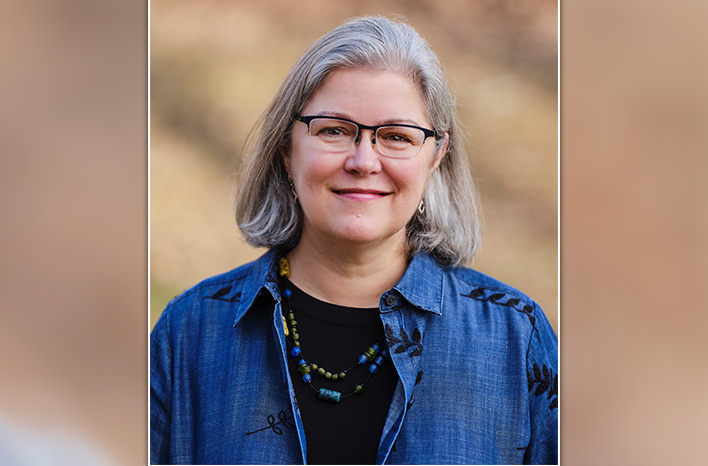
New York Times op-ed contributor Margaret Renkl is the author of “The Comfort of Crows: A Backyard Year.”
‘One Garden Against the World’ by Kate Bradbury.
“One Garden Against the World” is an inspiring and heartfelt book about how small actions can make a difference to conserve wildlife.
Kate is an award-winning U.K. writer specializing in wildlife gardening. She’s the wildlife editor of BBC Gardeners’ World magazine and has a regular Country Diary column in The Guardian. She writes regularly for the RHS’s The Garden magazine, The Wildlife Trusts members’ magazine and BBC Wildlife. Her garden was featured as part of the BBC Springwatch Garden Watch campaign, and she and her garden have also appeared on Autumnwatch and Gardeners’ World. You can listen to our conversation earlier this year.
Kate lives on a small urban house lot. It’s so small, she only has three trees, a tiny little pond, kind of a postage stamp lot. But she has done everything she can to get the most out of it. She has created this sanctuary in a space where you wouldn’t think there was enough room to do that.
Kate has such a caring heart for nature and wants to do everything that she can to support wildlife and pollinators and hedgehogs especially. She has a real heart for hedgehogs.
You are right there with her as she writes about all the effort that she’s doing to rescue the caterpillars that are on the native flowers that are in the right of way that landscape crew for the city is about to mow down in their maintenance. And she goes out there and talks them into just pausing long enough for her to go out and take a bunch of these plants that have the caterpillars on them so she can bring them home and then allow them to pupate and produce butterflies or moths.
You’re right there with the trials and tribulations of all of these rescues — she becomes the resident hedgehog rescuer in the area. That’s a big thing over there with the drought and the lack of habitat. Hedgehogs are threatened, and there’s an effort now to try to do what they can to rescue as many as they can, but they’re very much in peril.
Whether you have a small lot or a large lot or no lot at all, you can relate to this. She really gives all of us hope that no matter the size of the land under our stewardship, we can make a difference.
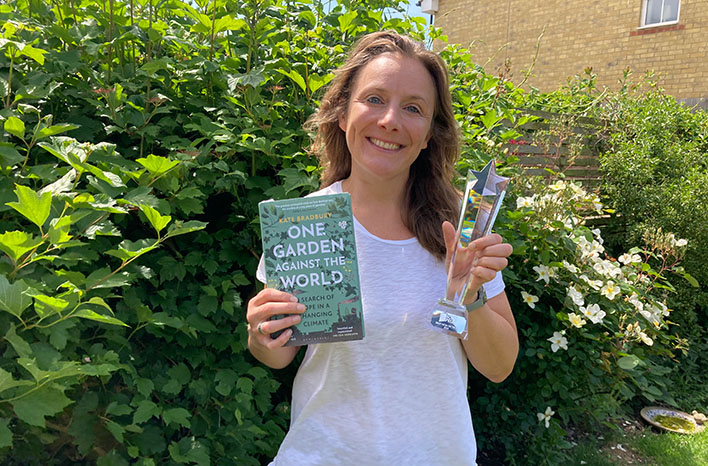
Kate Bradbury with her book “One Garden Against the World.” Photo Courtesy of Kate Bradbury
Foundational and Ecologically Focused
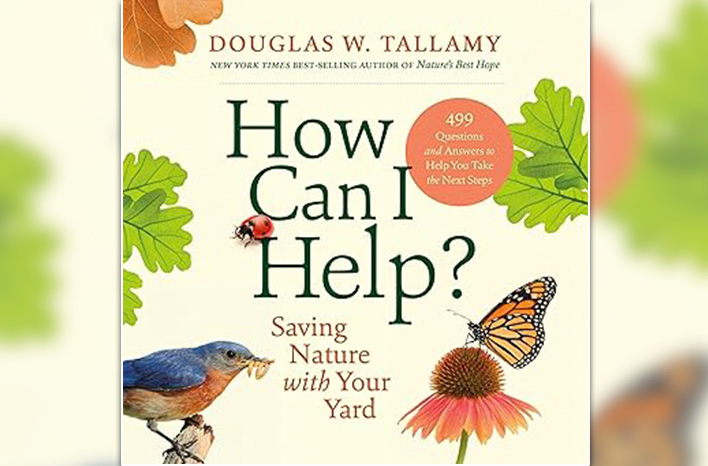
‘How Can I Help?’ by Doug Tallamy
There isn’t a day that goes by that I don’t hear the name Doug Tallamy. He’s a professor of entomology at the University of Delaware and an ambassador for ecological gardening and environmental stewardship. He is our blueprint for the things that we can do to be better stewards when it comes to gardening and ecological behaviors.
Over all of this time, he’s amassed thousands of questions, and many of those questions tend to be very similar in their nature. So he decided that he would save all these questions, categorize them and then consolidate them. And he ultimately came out with this most recent book, “How Can I Help?”
This book is fantastic. It’s a page-turner in a weird way, because you don’t think about a book that’s just a bunch of questions and his answers as a page-turner. But he picked the best of the best as far as the questions were concerned. And of course, every answer that he provides is spot on. And every answer that you read is making you smarter as you read it.
Doug’s earlier book “Nature’s Best Hope” is required reading and a foundationally important book on how we can play a role to give wildlife a chance. I recommend you start there, and you can listen to my podcast conversation with Doug about “Nature’s Best Hope” as well as our conversation about “How Can I Help?”
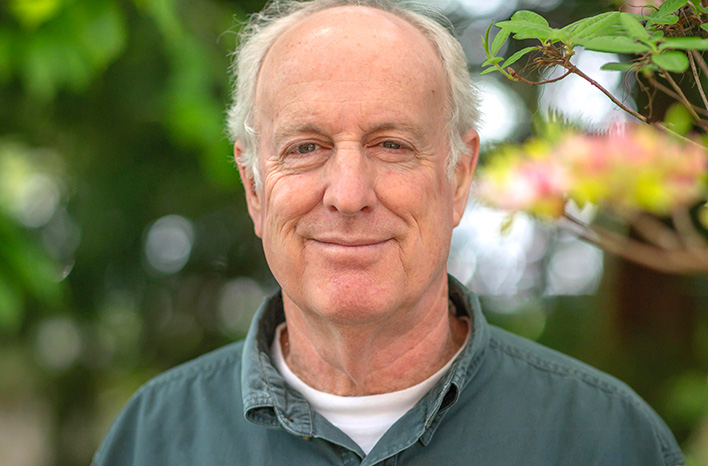
Doug Tallamy is the author of “How Can I Help?” and other must-have books on conservation.
‘Nature’s Action Guide’ by Sarah F. Jayne
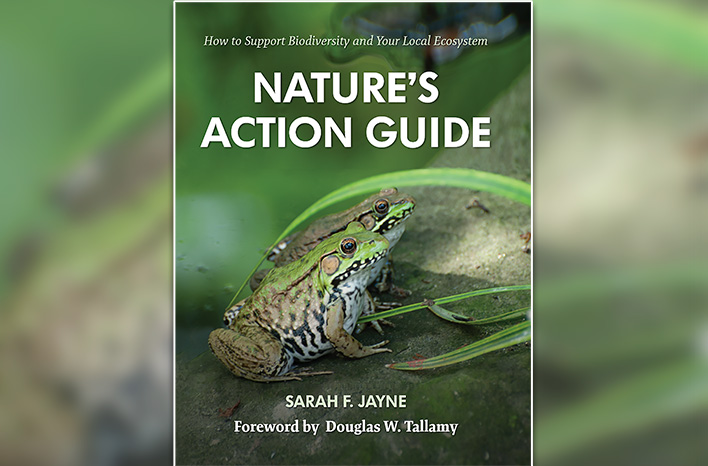
Sarah Jayne lives within a stone’s throw of Doug Tallamy. She pitched this book to him, and he agreed she should write it, and he contributed the foreword.
Sarah does a phenomenal job of being that gardener that has thought about all the questions we have on things that we should be concerned about or things that we are concerned about and steps that we can take at every level, whether we are a beginning gardener, an intermediate gardener, or an advanced gardener.
She provides in every topic levels of participation that we can do that are all consumable, tangible, doable steps that all are significant in their action. This is a long-term gardener who has thoughtfully put this book together in a really impactful way. I consider myself an advanced gardener, yet with every section that I was reading through, I was reading new things that I could do that I didn’t know to do.
This is a must-have book. I was very impressed with it. This book is such a great resource and something that didn’t exist like this up to this point.
Sarah provides great links to go deeper on every topic that she talks about. Not only does everything she writes about stand on its own, but there are also opportunities to go deeper on everything she wrote. This book will fill your cup with information on what you can do to be a better environmental steward as you garden.
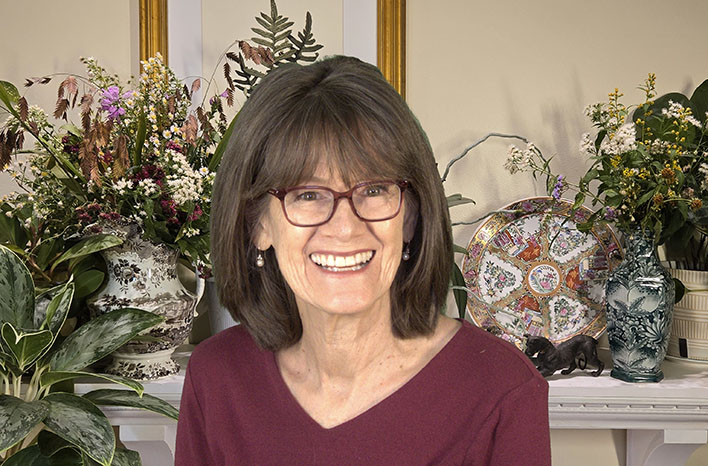
Sarah F. Jayne is the author of “Nature’s Action Guide.”
‘From Wasteland to Wonder’ by Basil Camu
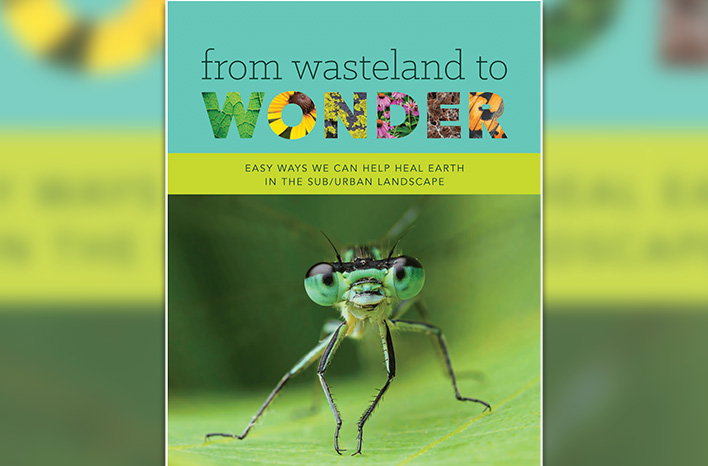
Basil Camu offers “From Wasteland to Wonder” for free.
“From Wasteland to Wonder” by Basil Camu of Raleigh, North Carolina, is one of those books that completely changes how you look at trees and the spaces we live in. Basil is a Master Certified arborist with a gift for storytelling, and he shows how caring for trees is really about healing whole ecosystems.
What makes this book so powerful is the way it connects restoration work with everyday choices — from how we prune a tree to how we think about urban landscapes and the wildness that can still exist there. It explains the things we can do ourselves to take better care of our trees and also when it’s best to call in a certified arborist.
This book is practical and inspiring, and all throughout the book, there are QR codes that you can scan to go deeper on many topics. Even better, this book is offered by Basil for free plus just the cost of shipping, or downloadable for free as a PDF. You can find both the hardcover version and the e-book at leaflimb.com/wonder.
Basil is one of the most well-spoken and knowledgeable, authentic people I’ve ever known, and he is clearly someone who cares deeply about giving back and is generous with his knowledge. Take advantage of this book, and I promise you will find many reasons to return to it often.
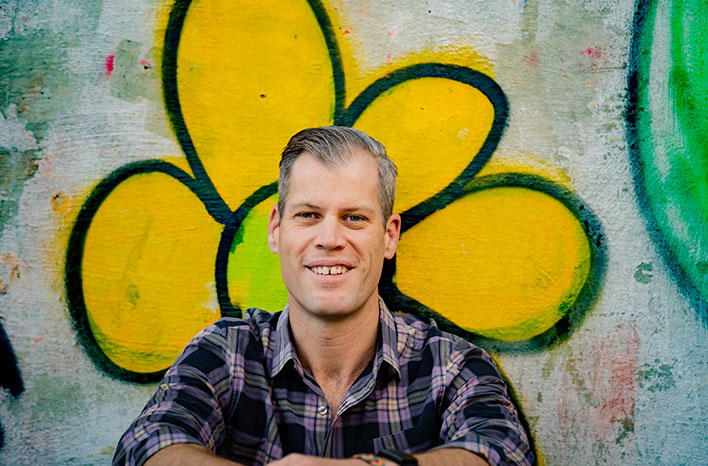
Arborist Basil Camu is the author of “From Wasteland to Wonder.”
Books That Will Wow You
‘Monarchs and Milkweed’ by Anurag Agrawal
“Monarchs and Milkweed” is a fascinating deep dive into one of nature’s most iconic relationships — the monarch butterfly and the milkweed plant. Anurag Agrawal is an ecologist, and he does an incredible job showing how these two species have evolved together over millions of years, locked in this ongoing battle of survival and adaptation. You’ll learn how milkweed defends itself with toxic compounds, and how monarchs have developed ways to outsmart those defenses.
What really stands out about this book is how readable it is for such a scientific subject, and he makes it hard to put down. Anurag brings the story to life in a way that helps you appreciate not just monarchs, but the intricate balance of all living systems. This book will give you a whole new appreciation for what’s really going on behind the scenes next time you look at a monarch or milkweed.
The monarch population is just 8% of what it used to be. I spoke with Anurag for the podcast in 2020 about the challenges that monarchs continue to face.
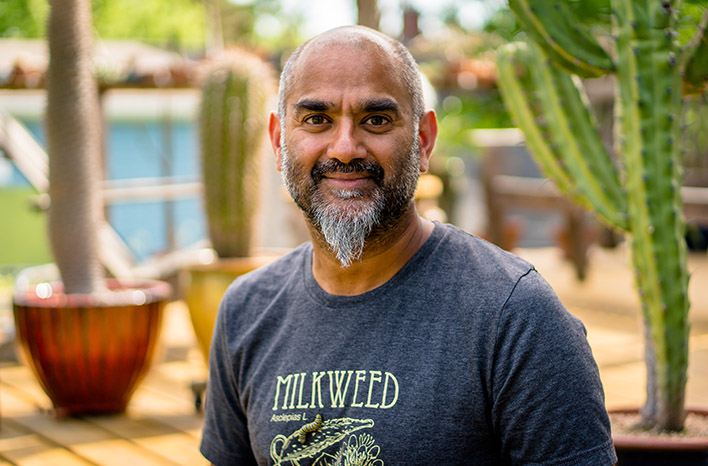
Dr. Anurag Agrawal spent years collecting information for his book on the relationship between monarchs and milkweed. (photo: John Lynch)
‘The Light Eaters: How the Unseen World of Plant Intelligence Offers a New Understanding of Life on Earth’ by Zoë Schlanger
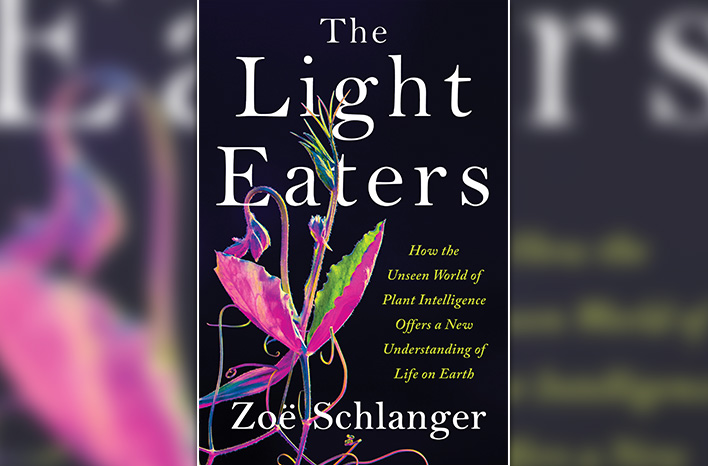
“The Light Eaters” by Zoë Schlanger, a science journalist at The Atlantic, is one of those books that completely changes how you look at plants and the world around them. Zoë dives deep into the question of whether plants might have more going on than we’ve ever given them credit for — things like communicating, sensing their environment, and even, in a sense, “thinking,” though not like we do.
Nobody, to my knowledge, has gone to the level that Zoë has to share with us some of the complexities and intricacies of plant life in the way that they can be deemed to have intelligence.
In writing this book, she traveled all over the world to find plant stories that mix hard science with big questions. You will shake your head in awe about the way plants function in ways far more advanced than we’ve ever realized.
You can listen to the podcast episode I did last year with Zoë to get a sense of what this book has in store for you.
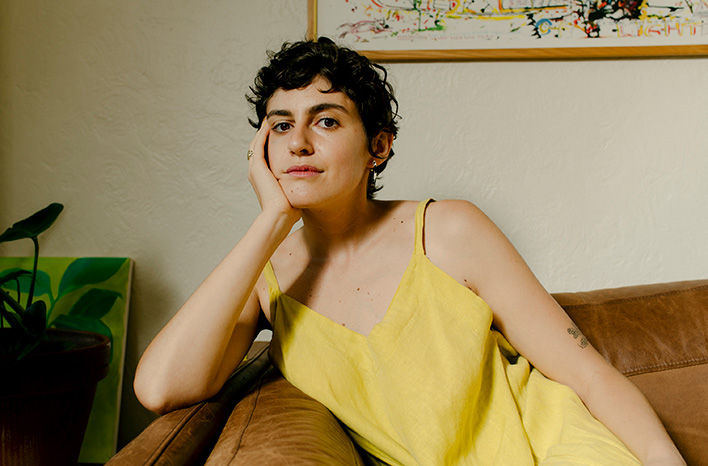
Zoë Schlanger is the author of “The Light Eaters” and an environmental journalist.
(Photo Credit: Heather Sten)
Gardening Resources
‘The Seed Garden: The Art and Practice of Seed Saving’ from Seed Savers Exchange
Diane and Kent Whealy founded Seed Savers Exchange to provide a resource for protecting the genetic diversity of seeds that were becoming extinct because of the consolidation of the seed industry.
“The Seed Garden” is hands down one of the best guides out there for anyone who wants to take seed saving seriously — and understand why it matters.
It’s not just a “how-to” manual (though it’s incredibly thorough on that front). It’s also a deep dive into the art and science of preserving our food heritage. The book walks you through how to grow, harvest, and store seeds from dozens of vegetables, with clear explanations and beautiful illustrations that make even complex topics approachable.
What really makes it special is the mission behind it — protecting genetic diversity and keeping heirloom varieties alive for future generations. Whether you’re a beginner or an experienced gardener wanting to grow true-to-type crops year after year, “The Seed Garden” gives you both the knowledge and the inspiration to do it right.
You can learn all about the history of the Seed Savers Exchange by listening to my podcast conversation with co-founder Diane Ott Whealy.
‘Seed to Seed: Seed Saving and Growing Techniques for Vegetable Gardeners’ by Suzanne Ashworth
“Seed to Seed” by Suzanne Ashworth is the book that really put seed saving on the map for so many gardeners. Written in 2002 and edited by Seed Savers Exchange co-founder Kent Whealy, it’s one of those timeless, nuts-and-bolts guides you can go back to year after year.
Suzanne takes you crop by crop — vegetables, herbs, and even some flowers — and breaks down exactly how to grow them for seed, from how they pollinate and how to keep varieties pure to when to harvest and how to store them. It’s detailed, but totally approachable.
What makes this book stand out is how practical it is — no fluff, just clear, reliable information that comes from years of experience. I would consider “Seed to Seed” an essential handbook that every serious gardener should have on their shelf if they really want to be a better seed saver.
‘The Complete Guide to Saving Seeds: 322 Vegetables, Herbs, Fruits, Flowers, Trees, and Shrubs’ by Robert Gough & Cheryl Moore-Gough
“The Complete Guide to Saving Seeds” takes everything you’ve ever wanted to know about saving seeds and puts it into one clear, comprehensive resource.
What I love about this book is how it bridges the gap between science and practice. It’s detailed enough for serious growers, but still completely approachable for home gardeners. The authors, Robert Gough and Cheryl Moore-Gough, explain the biology behind seed development and pollination in a way that helps you understand why certain crops need specific handling to stay true to type.
It covers everything from isolation distances to drying and storage, all with a level of clarity and precision that builds real confidence. This is the book if you’re the kind of gardener who wants to take control of your seed supply and deepen your connection to the full life cycle of your plants.
‘Fruit Tree Pruning: The Science and Art of Cultivating Healthy Fruit Trees’ by Susan Poizner
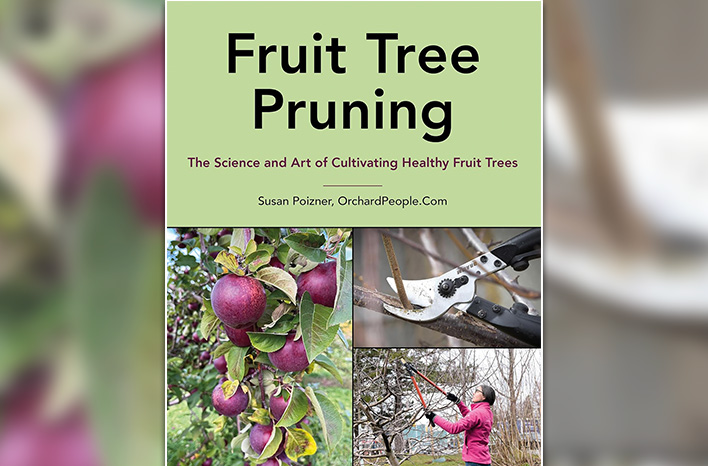
“Fruit Tree Pruning” is one of those books that takes something so many gardeners find intimidating and makes it totally approachable. Susan has a real gift for explaining the “why” behind pruning — not just the “how.”
She walks you through everything from young tree training to mature tree maintenance, showing how proper pruning keeps your trees healthy, productive, and manageable for years to come.
What really makes this book stand out is how Susan breaks it down into clear steps with simple language and illustrations that make you feel like you can do it — and do it right. It’s grounded in years of experience, both in her own orchard and as a teacher of fruit tree care.
I get that pruning can be intimidating, but “Fruit Tree Pruning” will give you the confidence to shape your trees with purpose and care. Knowing how to properly prune your trees will allow you to enjoy better harvests and stronger trees season after season, so this book is highly recommended.
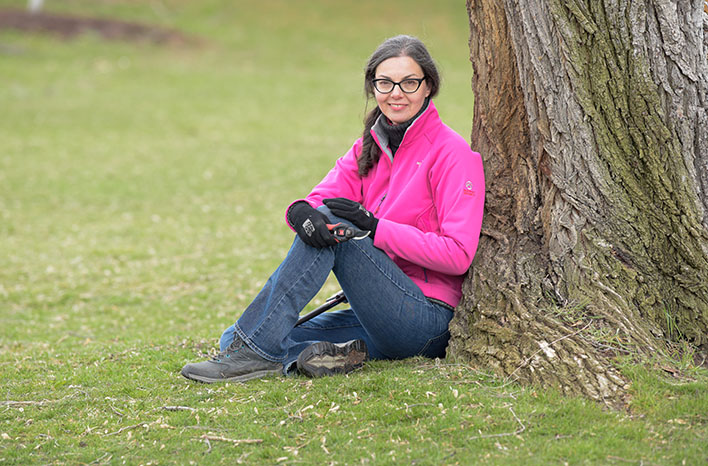
“Fruit Tree Pruning” is the author of “Fruit Tree Pruning.” Photo credit: OrchardPeople.com
‘The New Organic Grower: A Master’s Manual of Tools and Techniques for the Home and Market Gardener’ by Eliot Coleman
One of the books that set the stage for how we think about growing organically is “The New Organic Grower” by Eliot Coleman.
This one’s been around for decades, but it’s still just as relevant today. Eliot has this incredible way of combining practical know-how with a real respect for the land. He talks about soil health, crop rotation, season extension — all the nuts and bolts.
This book is timeless. You can tell everything he teaches comes from years of actually doing the work. It’s not theory; it’s field-tested wisdom. Whether you’re managing a small market garden or just want to grow better food at home, this book connects you to the heart of what it means to grow organically — efficiently, thoughtfully, and with nature as your guide.
You can hear from Eliot by tuning into my 2019 podcast episode with him or watching my episode of “Growing a Greener World” on Eliot.
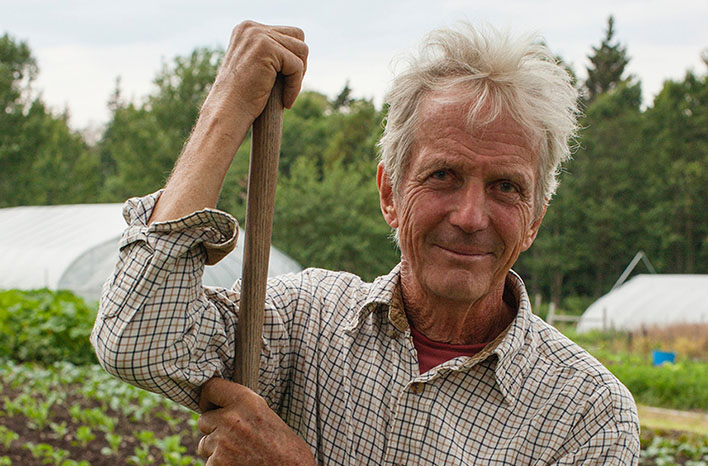
Eliot Coleman is the author of “The New Organic Grower.”
‘Plant Grow Harvest Repeat’ by Meg McAndrews Cowden
“Plant Grow Harvest Repeat” is the book that breaks down the art of succession planting — not just squeezing more harvests out of your space, but creating a garden that’s always alive and producing from early spring to late fall.
What makes Meg McAndrews Cowden’s approach so refreshing is how accessible she makes it. She shares her own experiences, her wins and failures, and she ties it all back to working with nature’s rhythms. This isn’t about rigid schedules — it’s about observation, flexibility and building a garden that keeps giving. If you’ve ever wanted to extend your growing season or simply make your garden more dynamic and productive, *Plant Grow Harvest Repeat* is the book to have.
Meg joined me on the podcast in 2022 to discuss this book when it was newly released.
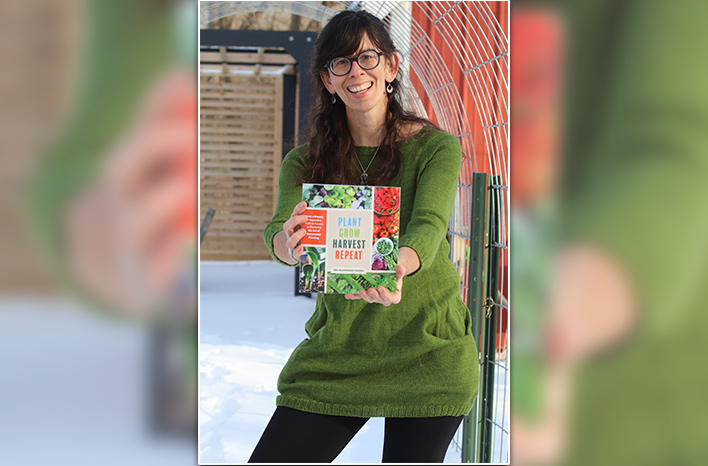
Meg Cowden with her book “Plant Grow Harvest Repeat.” (Photo Courtesy of Meg Cowden)
‘The Vegetable Gardening Book: Your Complete Guide to Growing an Edible Organic Garden from Seed to Harvest’ by Joe Lamp’l
Yeah, this one’s mine. “The Vegetable Gardening Book” is the book I wrote most recently after saying countless times I wasn’t going to write a third book. But when the opportunity presented itself, I knew I had to be the one to write it.
With over three decades of experience growing food for myself and my family — and for a national TV series where I was told failure is not an option — I wanted to help good growers take the guesswork out of vegetable gardening and help people feel confident from seed to harvest.
I wrote it to be both practical and encouraging — covering everything from soil prep and planting to pest management and crop rotation — but in plain language that anyone can follow. What makes it stand out is that it’s rooted in real experience. These are the same methods I use every day at the GardenFarm™, tested over years of successes and plenty of mistakes.
My goal was to help gardeners build not just a garden, but a deeper understanding of how plants, soil, and nature work together. “The Vegetable Gardening Book” is all about making you a more confident, connected, and successful gardener.
The tables were turned in 2022 when Meg interviewed me on this podcast about my book.
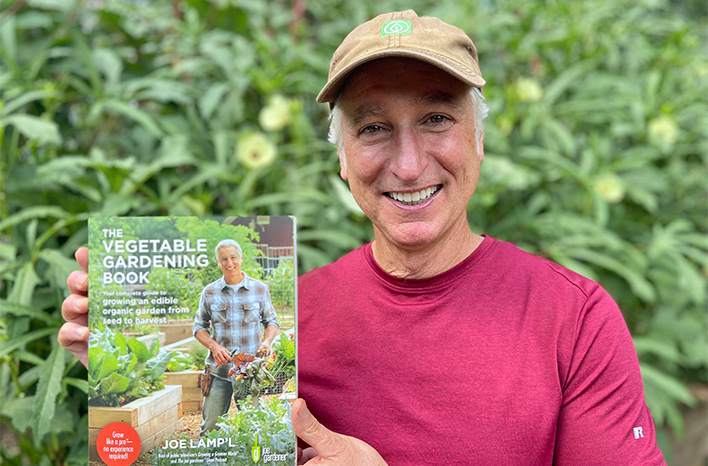
Here I am with “The Vegetable Gardening Book,” the book I couldn’t resist writing.
‘The Vegetable Garden Problem Solver Handbook’ by Susan Mulvihill
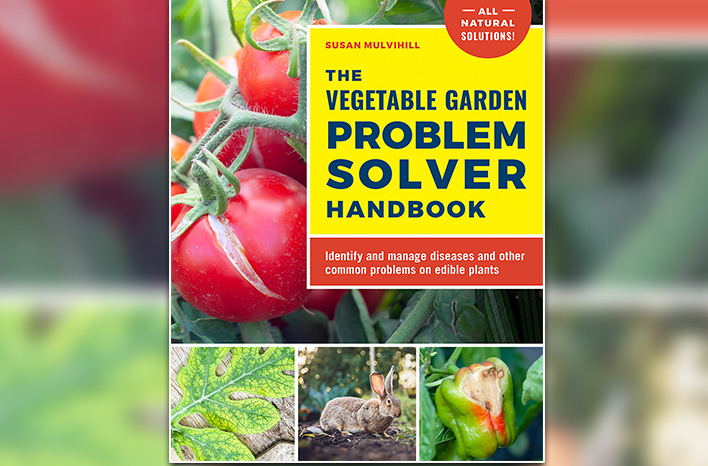
“The Vegetable Garden Problem Solver Handbook” is one of those books every gardener should keep within arm’s reach. Susan has this calm, practical way of walking you through just about every challenge you’re likely to face — from insect pests and plant diseases to weather extremes and soil issues — and she does it without ever making it feel overwhelming.
What really sets this book apart is how visual and straightforward it is. The photos, the troubleshooting charts, the clear explanations — it’s like having an experienced gardening friend right there saying, “Here’s what’s going on, and here’s how to fix it.”
Susan’s years of experience come through on every page, and her advice always ties back to organic, environmentally responsible solutions.
I spoke with Susan in 2023 on the lessons from this book and how to use it effectively.
‘The Vegetable Garden Pest Handbook’ by Susan Mulvihill
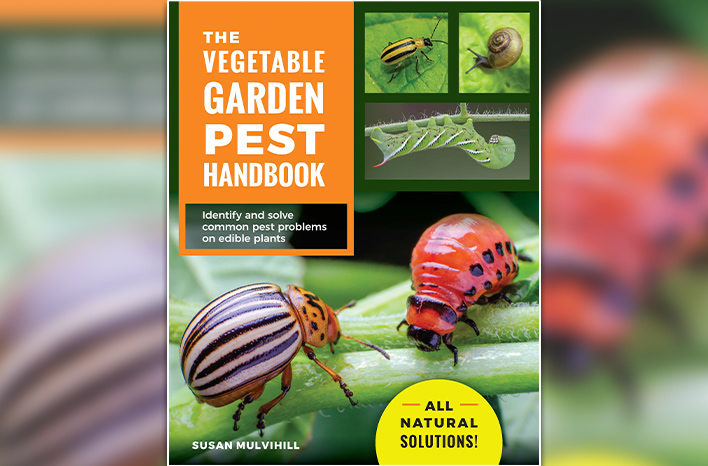
“The Vegetable Garden Pest Handbook” is a great reference guide: one of the most useful, down-to-earth guides you can have when it comes to dealing with insects in the garden. As an avid, longtime organic gardener, Susan takes what can feel like an overwhelming topic — all those bugs, good and bad — and makes it approachable, visual, and even fascinating. She helps you identify pests accurately, understand their life cycles, and manage them organically without reaching for the spray bottle.
She also shines a light on the beneficial insects — the unsung heroes that keep your garden in balance. The photos are excellent, the advice is clear, and her tone is always encouraging.
“The Vegetable Garden Pest Handbook” will help give you the confidence to manage pests naturally.
Susan and I discussed this book on the podcast in 2021.
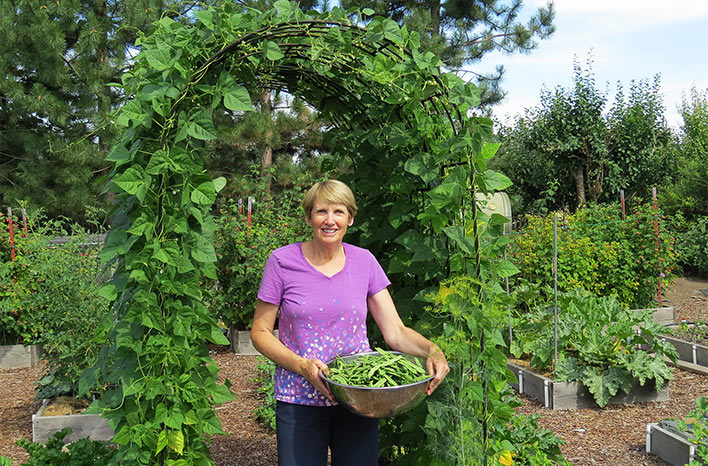
Susan Mulvihill is the author of two books on my list.
‘Attracting Beneficial Bugs to Your Garden’ by Jessica Walliser
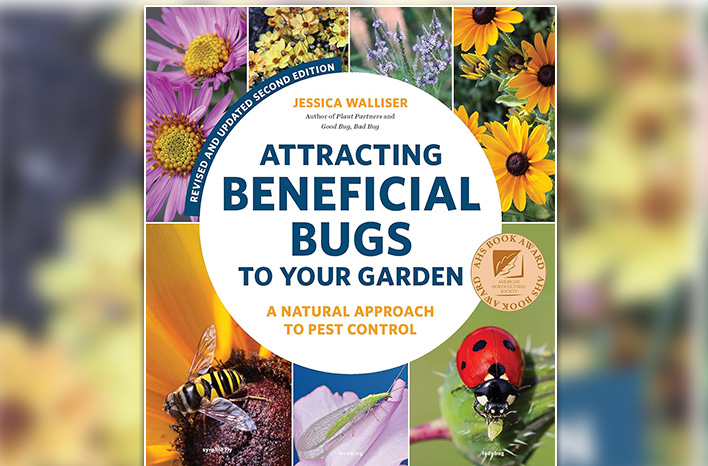
“Attracting Beneficial Bugs to Your Garden” is the book that we needed to learn about science-based companion planting. No more books filled with anecdotal solutions, but one that helps us understand how to work with nature instead of against it — showing how, by creating habitat and planting the right mix of flowers and crops, you can actually invite the “good guys” in to do a lot of your pest control for you.
Jessica is a horticulturist and an entomologist at heart but a gardener in spirit, so everything she writes is rooted in science but explained in a way that’s approachable and inspiring.
What really stands out about this book is how it empowers gardeners to see their gardens as living ecosystems — full of balance, diversity, and connection. So, if you’ve ever wanted fewer pests, healthier plants, and a deeper understanding of how nature keeps everything in check, this book is the perfect guide.
Jessica was my guest on the podcast in 2022 to discuss this book.
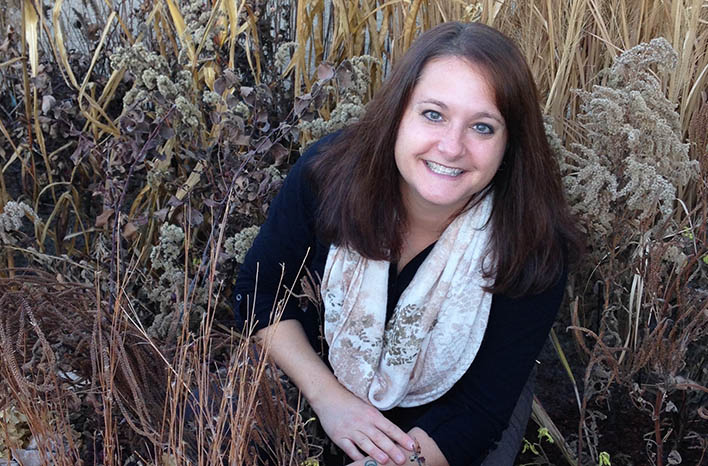
Jessica Walliser’s passion for beneficial insects has even surpassed her interest in horticulture. (photo: Jessica Walliser)
My Next Reads
‘The Overstory’ by Richard Powers
This book probably would have been put into the pleasure reading category if I had already read it. And this one is a strong recommendation from Amy Prentice, the person’s name who you hear every week on this podcast. She’s always keeping an eye out for interesting content.
“The Overstory” by Richard Powers isn’t a gardening book in the traditional sense, but it’s been described as possibly one of the most powerful books you’ll ever read about our relationship with trees and the natural world.
The book weaves together the lives of several characters — each with their own connection to trees — into a story that’s both heartbreaking and deeply hopeful. Powers somehow gives trees a voice and presence that feels almost spiritual, reminding us that forests aren’t just backdrops to our lives, they’re living communities we’re part of.
After reading it, you’ll never look at a tree — or a forest — the same way again. It’s a beautiful, moving reminder of why protecting the natural world isn’t just good stewardship, it’s a moral calling. And I think this book is an extremely timely topic to include on our short-term reading list. And that’s why it’s next up on mine. So thank you Amy Prentice for this great suggestion!
‘The Murder of Nikolai Vavilov’ by Peter Pringle
“The Murder of Nikolai Vavilov” is one of the most compelling and heartbreaking true stories in all of agricultural history. It tells the story of Nikolai Vavilov, a brilliant Russian botanist whose life’s mission was to collect and preserve the world’s crop diversity — long before most people understood what that meant. He traveled the globe gathering seeds, building one of the first and largest seed banks, and laying the foundation for modern plant breeding and food security. But under Stalin’s regime, his dedication to science and genetic diversity clashed with political ideology. Vavilov was arrested, imprisoned, and — in a tragic twist of irony — died of starvation while trying to protect the seeds that could have fed millions.
What makes this book so powerful is how it reads like both a biography and a warning: a reminder that the freedom to pursue truth, and the act of safeguarding life through seeds, can come at the highest cost. For anyone who cares about plants, science, or the future of our food, this story stays with you long after you finish the last page.
‘The Milkweed Lands’ by Eric Lee-Mäder
“The Milkweed Lands” is part science, part storytelling, and part celebration of the wild landscapes that support milkweed and all the creatures that depend on it — especially monarchs.
Eric brings the perspective of an ecologist and a conservationist, but he writes with a poet’s touch, connecting the dots between soil, pollinators, prairies and people.
What makes this book stand out is how it ties the small and the grand together — showing that when we restore a patch of milkweed or native habitat, we’re participating in something much bigger. If you care about pollinators, wild places, and the web of life that connects them all, “The Milkweed Lands” is an inspiring reminder of what’s possible when we give nature a little room to thrive.

Eric Lee-Mäder is the Pollinator Conservation Program co-director at the Xerces Society for Invertebrate Conservation.
I hope you enjoyed my gardening book recommendations. If you haven’t listened yet, you can do so now by scrolling to the top of the page and clicking the Play icon in the green bar under the page title.
What nature, ecology and gardening book recommendations do you have? Let us know in the comments below.
Links & Resources
Some product links in this guide are affiliate links. See full disclosure below.
Episode 012: Beneficial Garden Insects – Bringing Nature Home with Doug Tallamy
Episode 062: Great Garden Reads: Must-Have Books For Every Gardener
Episode 088: The New Organic Grower: 50 Years in the Making, with Eliot Coleman
Episode 142: Why Our Plant Choices Matter: Nature’s Best Hope, with Doug Tallamy
Episode 147: Monarchs and Milkweed: A Precarious Struggle Between Life and Death
Episode 150: The Story of Seed Savers Exchange: With Co-founder, Diane Ott-Whealy
Episode 184: More Must-Have Books for Every Gardener: Encore (Hybrid) Presentation
Episode 206: Our Most Essential Trees: The Nature of Oaks, with Doug Tallamy
Episode 250: Mastering the Art of Succession Planting, with Meg Cowden
Episode 252: The Underappreciated Value of Predatory Beneficial Insects in the Garden
Episode 277: Joe Lamp’l and Meg Cowden Discuss His New Book: ‘The Vegetable Gardening Book’
Episode 299: Vegetable Garden Problem Solving, with Susan Mulvihill
Episode 341: A Backyard Year, with Margaret Renkl
Episode 364: Easy Ways to Help Heal Earth in Suburban and Urban Landscapes
Episode 376: The Light Eaters: The Unseen World of Plant Intelligence
Episode 386: The Revelations of a Nature Journal, with Margaret Renkl
Episode 403: Winter Tree Care, with Basil Camu
Episode 413: Easy Actions Anyone Can Take To Support Wildlife
Episode 415: Fruit Tree Pruning: How to Cultivate Healthy Fruit Trees
Episode 429: One Garden Against the World, with Kate Bradbury
joegardener Online Gardening Academy™: Popular courses on gardening fundamentals; managing pests, diseases & weeds; seed starting and more.
joegardener Online Gardening Academy Organic Vegetable Gardening: My new premium online course. The course is designed to be a comprehensive guide to starting, growing, nurturing and harvesting your favorite vegetables, no matter what you love to eat, no matter where you live, no matter your level of gardening experience.
joegardener Online Gardening Academy Master Seed Starting: Everything you need to know to start your own plants from seed — indoors and out.
joegardener Online Gardening Academy Beginning Gardener Fundamentals: Essential principles to know to create a thriving garden.
joegardener Online Gardening Academy Growing Epic Tomatoes: Learn how to grow epic tomatoes with Joe Lamp’l and Craig LeHoullier.
joegardener Online Gardening Academy Master Pests, Diseases & Weeds: Learn the proactive steps to take to manage pests, diseases and weeds for a more successful garden with a lot less frustration. Just $47 for lifetime access!
joegardener Online Gardening Academy Perfect Soil Recipe Master Class: Learn how to create the perfect soil environment for thriving plants.
GGW Episode 1210: Year-Round Growing with Eliot Coleman
GGW Episode 1012: From Seed to Fork: Growing an Abundant Cold-Climate Garden
“The Comfort of Crows: A Backyard Year” by Margaret Renkl
“Nature’s Best Hope” by Doug Tallamy
“How Can I Help?: Saving Nature with Your Yard” by Doug Tallamy
“One Garden Against the World” by Kate Bradbury
“From Wasteland to Wonder” by Basil Camu
“Monarchs and Milkweed” by Anurag Agrawal
“The Light Eaters: How the Unseen World of Plant Intelligence Offers a New Understanding of Life on Earth” by Zoë Schlanger
‘The Seed Garden: The Art and Practice of Seed Saving’ from Seed Savers Exchange
“Seed to Seed: Seed Saving and Growing Techniques for Vegetable Gardeners” by Suzanne Ashworth
“The Complete Guide to Saving Seeds: 322 Vegetables, Herbs, Fruits, Flowers, Trees, and Shrubs” by Robert Gough & Cheryl Moore-Gough
“Fruit Tree Pruning: The Science and Art of Cultivating Healthy Fruit Trees” by Susan Poizner
“The New Organic Grower: A Master’s Manual of Tools and Techniques for the Home and Market Gardener” by Eliot Coleman
“Plant Grow Harvest Repeat: Grow a Bounty of Vegetables, Fruits, and Flowers by Mastering the Art of Succession Planting” by Meg McAndrews Cowden
“The Vegetable Gardening Book: Your Complete Guide to Growing an Edible Organic Garden from Seed to Harvest” by Joe Lamp’l
“The Vegetable Garden Problem Solver Handbook” by Susan Mulvihill
“The Vegetable Garden Pest Handbook” by Susan Mulvihill
“Attracting Beneficial Bugs to Your Garden” by Jessica Walliser
“The Overstory” by Richard Powers
“The Murder of Nikolai Vavilov” by Peter Pringle
“The Milkweed Lands” by Eric Lee-Mäder
Territorial Seed Company – Our podcast episode sponsor and Brand Partner of joegardener.com
Disclosure: As an Amazon Associate, I earn from qualifying purchases. I receive a commission every time you purchase a product through an Amazon affiliate link. Some product links in this guide are affiliate links. However, none of the prices of these resources have been increased to compensate us, and compensation is not an influencing factor on their inclusion here. The selection of all items featured in this post and podcast was based solely on merit and in no way influenced by any affiliate or financial incentive, or contractual relationship. At the time of this writing, Joe Lamp’l has professional relationships with the following companies who may have products included in this post and podcast: Milorganite, Soil3, Territorial Seed Company, Cool Springs Press / Quarto Group and Dramm. These companies are either Brand Partners of joegardener.com and/or advertise on our website. However, we receive no additional compensation from the sales or promotion of their product through this guide. The inclusion of any products mentioned within this post is entirely independent and exclusive of any relationship.